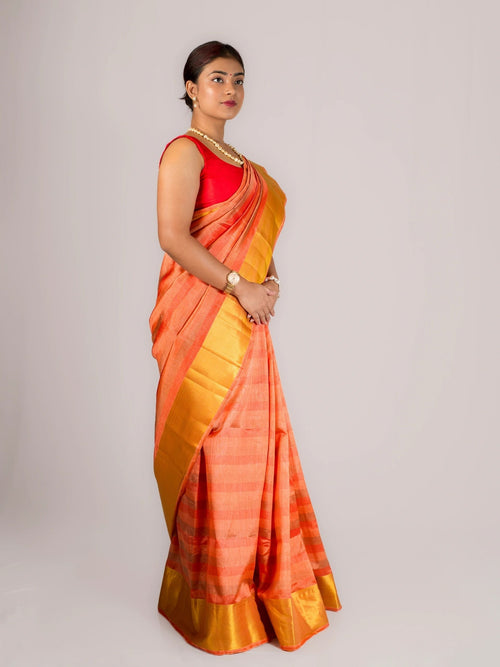


When it comes to Indian weddings, choosing the perfect outfit is just as important as the celebration itself. Two of the most iconic traditional outfits are the lehenga and the saree. Both have deep cultural significance and have been worn by brides and wedding guests for generations. However, many women often find themselves confused about which one is better for weddings.
While a lehenga offers grandeur and dramatic style, a saree represents timeless elegance and tradition. The choice ultimately depends on factors like comfort, occasion, personal style, and cultural traditions.
To help you decide, here are 11 key differences between lehenga and saree for weddings.
1. Traditional Significance
The saree is one of the oldest traditional garments in India and is deeply rooted in cultural heritage. Many brides prefer sarees because they symbolize grace and tradition.
The lehenga, although traditional as well, is considered a more modern bridal outfit that gained popularity through royal and Bollywood wedding fashion.
See our collections:
Pure Silk Sarees | Organza Silk Sarees | Tissue Silk Sarees | Handcrafted Sarees | Cotton Silk Sarees | Katan Silk Sarees | Georgette Sarees | Banarasi Silk Sarees
2. Bridal Appeal
Lehengas are often associated with bridal fashion because of their dramatic flair. Heavy embroidery, flared skirts, and ornate dupattas make lehengas visually striking.
Sarees, on the other hand, create a more elegant and graceful bridal look. Silk sarees such as Banarasi or Kanjivaram are classic choices for weddings.
3. Comfort and Ease of Movement
Lehengas can sometimes feel heavy because of their layered skirts and heavy embroidery.
Sarees, especially silk or lightweight fabrics, can feel more comfortable once properly draped. However, beginners may find sarees slightly difficult to manage initially.
4. Styling Flexibility
Lehengas offer modern styling options with different blouse designs, dupatta drapes, and skirt patterns.
Sarees also provide endless styling possibilities through various draping styles, blouse designs, and accessories.
5. Elegance and Grace
A saree is often considered the most elegant outfit in Indian fashion. The drape naturally enhances the silhouette and adds sophistication.
Lehengas focus more on grandeur and statement fashion rather than subtle elegance.
6. Cultural Traditions
In many Indian communities, brides traditionally wear sarees for wedding ceremonies. For example, Banarasi sarees in North India and Kanjivaram sarees in South India are highly popular bridal choices.
Lehengas are more common in North Indian weddings and modern wedding celebrations.
7. Versatility
Sarees are highly versatile because they can be worn for multiple occasions such as festivals, formal events, and family gatherings.
Lehengas are often reserved for weddings and grand celebrations, making them less versatile for everyday wear.
8. Weight and Fabric
Bridal lehengas are often heavy due to layered skirts, can-can lining, and elaborate embroidery.
Silk sarees can also be heavy, but lighter fabrics like chiffon, georgette, or organza sarees are easier to wear for long hours.
9. Fashion Trends
Lehengas dominate modern bridal fashion because designers constantly experiment with colors, silhouettes, and embellishments.
Sarees remain timeless and classic, often favored by women who appreciate traditional elegance.
10. Jewellery Styling
Both outfits allow beautiful jewellery styling. Lehengas often pair with statement necklaces, chokers, and matha pattis.
Sarees, especially silk sarees, look stunning with traditional gold jewellery, temple jewellery, or Kundan sets.
11. Heirloom Value
Sarees often carry sentimental value and can be passed down as heirloom pieces within families.
Lehengas are less commonly reused because bridal styles change frequently.
Which One Should You Choose for Weddings?
Choosing between a lehenga and a saree depends on your personal style and the type of wedding event.
If you want a grand, dramatic bridal look, a lehenga can be the perfect choice. If you prefer timeless elegance and traditional charm, a saree is a beautiful option.
Many modern brides choose to wear both outfits during different wedding functions—for example, a lehenga for the reception and a saree for the wedding ceremony.
Ultimately, the best outfit is the one that makes you feel confident, comfortable, and beautiful.
FAQs
Is a lehenga better than a saree for weddings?
Both outfits are beautiful for weddings. Lehengas offer a dramatic bridal look, while sarees provide timeless elegance and traditional charm.
Which outfit is more comfortable for weddings?
Sarees made from lightweight fabrics can be comfortable, but lehengas may feel easier for beginners since they do not require draping.
Can brides wear sarees instead of lehengas?
Yes, many brides choose traditional silk sarees such as Banarasi or Kanjivaram sarees for their wedding ceremonies.
Which outfit looks more traditional?
Sarees are generally considered more traditional because they have been worn for centuries in Indian culture.
Can I wear a lehenga and saree at the same wedding?
Yes, many brides wear a saree for the main wedding ceremony and a lehenga for the reception or other wedding functions.

