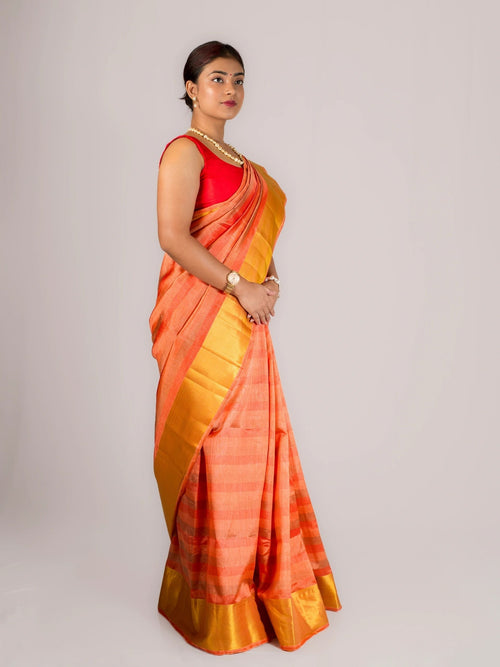


India's textile heritage is filled with extraordinary weaving traditions, but few are as visually striking and technically complex as the Ikat saree. Recognized for its distinctive patterns, vibrant colors, and artistic craftsmanship, the Ikat saree has become a timeless favorite among saree enthusiasts across generations.
Unlike printed fabrics where designs are added after weaving, Ikat patterns are created before the weaving process even begins. This unique technique requires immense skill, patience, and precision, making every Ikat saree a remarkable work of art.
See Our collections:
Cotton Silk Wedding Sarees Under 10K | Resham Silk Sarees for Weddings Under 10k | Bridal White Silk Sarees Under10k | Handloom Sarees for Weddings Under 10K | Haldi Sarees Under 10K | Yellow Sarees for Haldi Ceremony Under 10K | Durga Puja Sarees Under 10k | Sarees for Raksha Bandhan Under 10K | Diwali Silk Sarees Under 10K | Karva Chauth Sarees Under 10K | Engagement Ceremony Sarees Under 10K | Teej Festival Sarees Under 10K
Whether you're discovering Ikat for the first time or looking to add one to your collection, this guide covers everything you need to know about its origin, weaving techniques, and popular styles.
What Is an Ikat Saree?
An Ikat saree is a handwoven textile created using a resist-dyeing technique where yarns are dyed before they are woven into fabric. The word "Ikat" comes from the Malay-Indonesian term meaning "to tie" or "to bind."
The hallmark of Ikat weaving is its characteristic blurred or feathered patterns. These designs are not printed or embroidered but carefully planned and dyed into the threads before weaving begins.
The result is a saree that showcases remarkable craftsmanship and artistic precision.
The Origin of Ikat Weaving
Ikat weaving has a long history and is practiced in several countries, including India, Indonesia, Japan, and parts of Central Asia. In India, Ikat weaving developed into distinct regional traditions that continue to thrive today.
Some of the most famous Indian Ikat weaving centers include:
Gujarat
Patola sarees from Gujarat represent one of the world's most sophisticated forms of double Ikat weaving. These sarees are known for their vibrant colors, geometric motifs, and exceptional craftsmanship.
Telangana
Pochampally Ikat from Telangana is internationally recognized and has received Geographical Indication (GI) status. These sarees feature bold geometric patterns and striking color combinations.
Odisha
Odisha's Ikat tradition, particularly Sambalpuri Ikat, combines intricate designs with cultural and religious motifs inspired by local heritage.
Each region has developed its own distinctive interpretation of the Ikat technique.
How Ikat Weaving Works
The beauty of Ikat lies in the complexity of its production process.
Step 1: Design Planning
Artisans first create a detailed design blueprint. Since the patterns must align perfectly after weaving, careful planning is essential.
Step 2: Binding the Yarn
Specific sections of yarn are tightly wrapped to prevent dye from reaching certain areas.
Step 3: Dyeing Process
The yarn is dyed in multiple stages. Each color requires a separate tying and dyeing process.
Step 4: Drying and Preparation
After dyeing, the bindings are removed, revealing the intended pattern on the threads.
Step 5: Hand Weaving
The dyed yarns are carefully woven together to create the final design.
Even a minor misalignment can affect the overall pattern, making Ikat weaving one of the most technically demanding textile arts.
Types of Ikat Weaving
Single Ikat
In Single Ikat, either the warp threads or the weft threads are dyed before weaving.
This technique is more common and allows artisans to create beautiful geometric and abstract designs.
Double Ikat
Double Ikat involves dyeing both warp and weft threads before weaving.
The patterns must align perfectly during weaving, making this technique extremely complex and time-consuming.
Patola sarees are among the most famous examples of Double Ikat weaving.
Combined Ikat Variations
Some regions combine traditional Ikat methods with contemporary weaving styles, resulting in innovative designs that appeal to modern saree buyers.
Popular Styles of Ikat Sarees
Pochampally Ikat Sarees
Pochampally sarees are known for their bold geometric motifs, vibrant colors, and contemporary appeal.
They are versatile enough for office wear, festive occasions, and family celebrations.
Sambalpuri Ikat Sarees
These sarees feature traditional motifs such as shells, wheels, flowers, and cultural symbols.
Sambalpuri Ikat sarees are appreciated for their artistic complexity and cultural significance.
Patola Sarees
Patola sarees are among India's most prestigious textiles.
Known for their double Ikat technique, they often feature intricate geometric patterns, floral motifs, and vibrant color combinations.
Contemporary Ikat Silk Sarees
Modern designers have embraced Ikat patterns in silk sarees, creating elegant pieces that blend traditional weaving with contemporary fashion.
These sarees are particularly popular among younger buyers seeking heritage-inspired styles.
Why Ikat Sarees Are So Popular
Several factors contribute to the enduring popularity of Ikat sarees.
Unique Designs
No two handwoven Ikat sarees are exactly alike, making each piece unique.
Rich Cultural Heritage
Ikat weaving represents centuries of textile tradition and artisan expertise.
Versatile Styling
Ikat sarees can be styled for:
-
Weddings
-
Festivals
-
Office wear
-
Cultural events
-
Family functions
-
Formal gatherings
Timeless Appeal
Unlike fast-changing fashion trends, Ikat designs remain elegant and relevant year after year.
How to Identify an Authentic Ikat Saree
When purchasing an Ikat saree, consider the following:
Examine Both Sides
Handwoven Ikat designs often appear visible on both sides of the fabric.
Look for Slight Variations
Minor irregularities are signs of hand craftsmanship and authenticity.
Check the Fabric Quality
Authentic Ikat sarees are available in cotton, silk, Tussar silk, and blended fabrics.
Buy from Trusted Sellers
Choose brands that provide detailed information about weaving techniques and craftsmanship.
Caring for Your Ikat Saree
Proper care helps preserve the beauty of handwoven textiles.
-
Dry clean silk Ikat sarees when possible.
-
Store in a cool, dry place.
-
Avoid prolonged exposure to direct sunlight.
-
Fold and refold periodically to prevent permanent creases.
-
Use breathable fabric covers for storage.
With proper care, an Ikat saree can remain beautiful for decades.
Why Ikat Sarees Make Excellent Heirlooms
Many families pass down handwoven sarees through generations.
Ikat sarees are especially valued because they combine:
-
Artistic craftsmanship
-
Cultural significance
-
Durable weaving techniques
-
Timeless designs
-
Collectible heritage value
A well-maintained Ikat saree often becomes more meaningful over time as it carries family memories and traditions.
Final Thoughts
Ikat sarees represent one of the most fascinating and technically impressive weaving traditions in the world. From the intricate double Ikat Patola sarees of Gujarat to the vibrant Pochampally weaves of Telangana and the artistic Sambalpuri creations of Odisha, every Ikat saree reflects extraordinary skill and dedication.
Whether you are drawn to their geometric beauty, cultural heritage, or timeless elegance, owning an Ikat saree is a celebration of India's rich textile legacy. These handcrafted masterpieces continue to inspire saree lovers who appreciate authenticity, craftsmanship, and enduring style.
Frequently Asked Questions
What is an Ikat saree?
An Ikat saree is a handwoven saree created using a resist-dyeing technique where yarns are dyed before weaving to form intricate patterns.
Which states in India are famous for Ikat sarees?
Gujarat, Telangana, and Odisha are among the most famous regions for Ikat weaving traditions.
What is the difference between Single Ikat and Double Ikat?
Single Ikat involves dyeing either the warp or weft yarns, while Double Ikat involves dyeing both, making it significantly more complex.
Are Patola sarees considered Ikat sarees?
Yes. Patola sarees are one of the most prestigious forms of Double Ikat weaving.
Are Ikat sarees suitable for weddings?
Yes. Silk Ikat sarees, especially Patola and premium handwoven varieties, are popular choices for weddings and festive occasions.
Why are authentic Ikat sarees valuable?
Authentic Ikat sarees require skilled craftsmanship, detailed planning, multiple dyeing stages, and labor-intensive weaving techniques, making them highly valued textiles.

