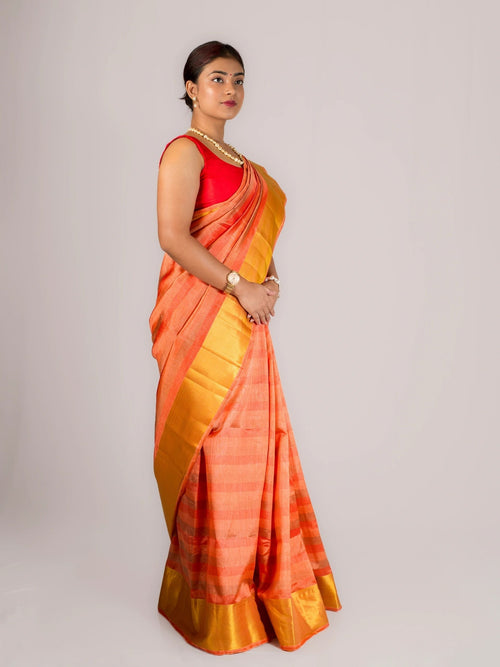


India's textile heritage is one of the richest and most diverse in the world. Every state has developed its own weaving traditions, motifs, fabrics, and draping styles over centuries. These traditional sarees are more than garments—they are expressions of history, craftsmanship, culture, and identity.
See Our collections:
Wedding Silk Sarees Below ₹10,000 | Wedding Sarees Between ₹5,000 – ₹10,000 |Wedding Sarees Under ₹12,000 | Red Silk Sarees Under 10K | Black Silk Sarees Under 10K | Green Silk Sarees Under 10K | Pink Silk Sarees Under 10K | Yellow Silk Sarees Under 10K | Blue Silk Sarees Under 10K | Purple Silk Sarees Under 10k | Maroon Silk Sarees Under 10K | White Silk Sarees Under 10k | Green & Red Silk Sarees Under 10K | Orange Silk Sarees Under 10K | Red & Green Silk Sarees Under 10k
From the luxurious silk sarees of Tamil Nadu to the intricate handlooms of West Bengal and the timeless Banarasi weaves of Uttar Pradesh, traditional sarees continue to hold a special place in every Indian woman's wardrobe.
If you love exploring India's rich textile heritage, here's a state-by-state guide to 28 traditional sarees that every saree enthusiast should know.
1. Uttar Pradesh – Banarasi Saree
One of the most famous traditional sarees in India, the Banarasi saree is woven in Varanasi and known for its luxurious silk, intricate zari work, and royal appeal. Banarasi sarees remain a preferred choice for weddings and special occasions.
At Weave Owl, handcrafted Banarasi-inspired creations such as the Vintage Rani Pink Silk Saree, Unique Check Mehroon Saree with Zari Border in Pure Silk, and Maharani Purple Gold Tissue Silk Saree celebrate the timeless beauty of Banaras weaving traditions.
2. Tamil Nadu – Kanjivaram Saree
The Kanjivaram saree is known for its rich silk, vibrant colors, and temple-inspired motifs. Often considered the queen of silk sarees, it remains a bridal favorite across India.
3. Gujarat – Patola Saree
Patola sarees are famous for their double ikat weaving technique. These sarees are highly valued due to the skill and time required to create their intricate geometric designs.
4. Gujarat – Bandhani Saree
Bandhani sarees are created using traditional tie-and-dye techniques that produce beautiful patterns and vibrant color combinations.
5. Rajasthan – Leheriya Saree
Leheriya sarees feature wave-like patterns created through resist dyeing techniques. They are especially popular during festive celebrations.
6. West Bengal – Baluchari Saree
Baluchari sarees are known for storytelling motifs woven into their pallus, often depicting scenes from mythology and royal life.
7. West Bengal – Tant Saree
Lightweight and breathable, Tant sarees are ideal for everyday wear and warm climates.
8. West Bengal – Jamdani Saree
Recognized for its delicate handwoven motifs, Jamdani is considered one of the finest weaving traditions in South Asia.
9. Odisha – Sambalpuri Saree
Sambalpuri sarees are known for their ikat weaving and intricate geometric designs that showcase Odisha's rich textile heritage.
10. Odisha – Bomkai Saree
Bomkai sarees combine tribal artistry with traditional weaving techniques, creating unique and elegant patterns.
11. Maharashtra – Paithani Saree
Paithani sarees feature vibrant colors and intricate peacock motifs woven with rich zari work.
12. Maharashtra – Narayanpet Saree
These sarees are known for their simple elegance, lightweight feel, and contrasting borders.
13. Karnataka – Mysore Silk Saree
Mysore silk sarees are admired for their smooth texture, pure silk quality, and understated luxury.
14. Karnataka – Ilkal Saree
Ilkal sarees are characterized by distinctive borders and traditional weaving methods unique to northern Karnataka.
15. Andhra Pradesh – Uppada Saree
Uppada sarees are lightweight silk sarees known for their intricate jamdani-style weaving.
16. Andhra Pradesh – Venkatagiri Saree
These sarees are prized for their fine weaving and delicate zari motifs.
17. Telangana – Pochampally Ikat Saree
Pochampally sarees are globally recognized for their striking geometric ikat patterns.
18. Kerala – Kasavu Saree
The iconic white and gold Kasavu saree is closely associated with Kerala's cultural traditions and festivals.
19. Assam – Muga Silk Saree
Made from rare Muga silk, these sarees are known for their natural golden sheen and exceptional durability.
20. Assam – Eri Silk Saree
Eri silk sarees offer a soft texture and are appreciated for their sustainable production methods.
21. Chhattisgarh – Kosa Silk Saree
Kosa silk sarees are admired for their natural elegance and rich texture.
22. Madhya Pradesh – Chanderi Saree
Chanderi sarees are lightweight, elegant, and known for their sheer texture and subtle zari work.
23. Madhya Pradesh – Maheshwari Saree
Maheshwari sarees combine silk and cotton to create sophisticated and versatile drapes.
24. Bihar – Tussar Silk Saree
Tussar silk sarees are celebrated for their natural texture and earthy appeal.
25. Jharkhand – Tussar Handloom Saree
Jharkhand continues India's rich Tussar silk tradition through skilled artisan communities.
26. Manipur – Moirang Phee Saree
These sarees feature traditional motifs inspired by local culture and folklore.
27. Nagaland – Traditional Naga Weaves
Naga textiles showcase bold colors and geometric patterns reflecting tribal heritage.
28. Jammu & Kashmir – Kashmiri Silk Saree
Known for fine craftsmanship and intricate embroidery, Kashmiri silk sarees offer timeless sophistication.
The Continuing Legacy of Banaras Weaving
Among all traditional sarees, Banarasi sarees continue to hold a special place due to their rich history and unmatched craftsmanship. The weaving traditions of Banaras have been preserved through generations of artisans who continue to create heirloom-worthy pieces.
Collections inspired by this heritage include:
-
Vintage Rani Pink Silk Saree
-
Harini Maharani Tissue Silk Saree
-
Maharani Signature Yellow Silk Saree
-
Maharani Purple Gold Tissue Silk Saree
-
Orange and Yellow Tissue Silk Saree
-
Copper and Gold Tissue Silk Saree with Lace Border
-
Maharani Purple Dhoop Chhao Tissue Silk Saree
-
Unique Check Mehroon Saree with Zari Border in Pure Silk
Each piece reflects the artistry, elegance, and cultural significance that have made Banaras one of India's most celebrated weaving centers.
Why Traditional Sarees Remain Relevant Today
Traditional sarees continue to be cherished because they offer:
-
Timeless elegance
-
Cultural significance
-
Exceptional craftsmanship
-
Handwoven authenticity
-
Sustainable fashion value
-
Generational heirloom potential
In a world increasingly focused on fast fashion, traditional sarees represent slow craftsmanship and enduring quality.
Final Thoughts
India's traditional sarees are living pieces of history. Every weave, motif, and fabric tells a story about the region where it was created and the artisans who continue to preserve these remarkable traditions.
Whether you admire the grandeur of Banarasi silk, the sophistication of Chanderi, the heritage of Patola, or the beauty of Kanjivaram, owning traditional sarees allows you to celebrate India's extraordinary textile legacy while supporting generations of skilled artisans.
Frequently Asked Questions
Which is the most famous traditional saree in India?
The Banarasi saree is widely regarded as one of the most iconic traditional sarees due to its luxurious silk and intricate weaving.
What makes traditional sarees unique?
Traditional sarees reflect regional weaving techniques, cultural heritage, local motifs, and handcrafted artistry developed over generations.
Which traditional saree is best for weddings?
Banarasi, Kanjivaram, Paithani, Patola, and Mysore Silk sarees are among the most popular choices for weddings.
Are handwoven traditional sarees worth investing in?
Yes. Handwoven sarees offer superior craftsmanship, durability, authenticity, and long-term value.
How can I identify authentic traditional sarees?
Look for trusted sellers, detailed craftsmanship, weaving information, fabric transparency, and artisan-backed production methods.
Why are Banarasi sarees so popular?
Banarasi sarees combine luxurious silk, intricate zari work, cultural significance, and timeless elegance, making them ideal for weddings and celebrations.

